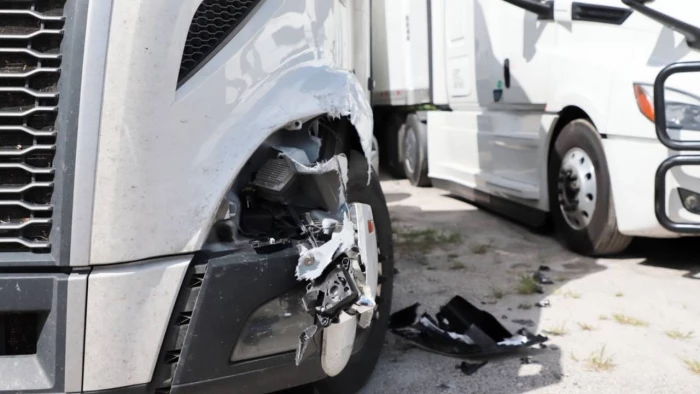
Road safety is often discussed by looking at the size of a truck, yet the first unsafe move in many crashes begins somewhere else. Passenger vehicles and commercial trucks share the same roads, but they do not move, stop, or turn in the same way. A choice that feels safe in a car may leave a truck driver with very little time to react. That difference changes everything.
An attorney for trucking accident cases may later review these details because the events leading to a collision often begin long before the actual impact. Looking at those early decisions tells a much bigger story.
A commercial truck is very different from a passenger car. It weighs much more, takes longer to stop, and needs extra room to turn safely. Even under good road conditions, a fully loaded truck cannot react as quickly as a smaller vehicle. This is not because the driver is slow. It is simply how large commercial vehicles operate.
Drivers of passenger vehicles sometimes expect trucks to stop or change direction as easily as cars. That expectation can lead to risky situations. A truck driver may see a problem ahead but still need extra distance before bringing the vehicle to a safe stop. Understanding these physical differences helps explain why ordinary driving habits sometimes become dangerous around large trucks.
Passing a truck and moving back into its lane without enough space is one of the most common driving mistakes. The gap may appear safe from inside a car, but it may not give the truck enough distance to slow down if traffic suddenly stops. Since trucks require much longer stopping distances, even a small mistake in judgment can quickly create a serious situation.
Commercial trucks have larger blind spots than passenger vehicles. A driver who stays beside a trailer for an extended time may become difficult for the truck driver to see. If the truck needs to change lanes or avoid another hazard, limited visibility can increase the chance of a collision. Passing steadily and avoiding unnecessary time beside the trailer improves safety for everyone.
Traffic often changes quickly, especially near exits and busy highways. Drivers who make sudden lane changes without enough warning leave truck drivers with very few safe choices. Large trucks cannot move or stop as quickly as smaller vehicles, making unexpected traffic movements much harder to manage safely.
Heavy traffic creates more opportunities for vehicles to interact in limited space. Construction zones narrow lanes, merging traffic increases pressure, and crowded highways leave little room for mistakes. Passenger vehicles often move through these areas more easily than commercial trucks because of their smaller size.
Busy roads also encourage rushed decisions. Drivers may squeeze into small openings, speed up to avoid waiting, or change lanes several times within a short distance. Around a large truck, these actions can become far more dangerous because every movement requires additional time and space for the truck to respond safely. Small decisions that seem harmless during light traffic may carry much greater risk once roads become crowded.
Simple habits make sharing the road with commercial trucks much safer.
These habits are easy to remember and help reduce unnecessary risks during everyday driving.
Truck accidents are often more complex than they first appear. The size of the vehicles involved may lead people to assume one story, but careful investigations usually examine many different details before reaching conclusions. Vehicle positions, road conditions, witness statements, traffic cameras, and onboard electronic data may all help explain what happened before the collision.
Every crash has its own facts, and understanding those facts often requires careful review instead of quick assumptions. Someone involved in a serious collision may decide to speak with an attorney for trucking accident cases while reviewing available evidence and learning more about the claims process without making conclusions about responsibility.
Safe roads depend on good decisions from everyone, not only commercial truck drivers. Passenger vehicles and large trucks operate differently, and understanding those differences helps reduce avoidable risks.
Leaving more space, avoiding sudden movements, and respecting a truck's limited ability to stop or turn quickly can make everyday driving much safer. A better understanding of how these vehicles share the road allows every driver to make smarter choices that protect themselves and everyone traveling nearby.
Share your thoughts about this article.
Be the first to post a comment!

High performers do not win solely on individual talent. They rely on good teamwo...
Terri Cruz5 days ago

A potential client searches "car accident lawyer near me" at 11 p.m. after an ar...
Terri Cruz1 week ago

A standard health insurance policy is excellent for covering inpatient hospitali...
Kruzel1 month ago

Choosing a healthcare provider for your family is a matter of weighing clinical...
Terri Cruz1 month ago

Dubai is no longer just adopting AI — it is mandating it. In 2026, the city's le...
Kruzel2 months ago

Buying a house in the UK is a big milestone, but it’s also a hidden layer of com...
Techie Frog2 months ago